Mobilising the heritage of resilient settlement in the Iraqi Marshes as a model for environmental and cultural endurance in the face of climate change
Iraq’s marshes are the Middle East’s largest wetlands, recognised by UNESCO for both their cultural and environmental value. The marshes are currently undergoing rapid environmental change as water flow is reduced to drought levels by climate change and by over-extraction for agriculture and industry. Drought is changing the lives and economic basis of the Ahwari (Marsh Arab) communities who have maintained a unique way of life in the marshes for centuries.
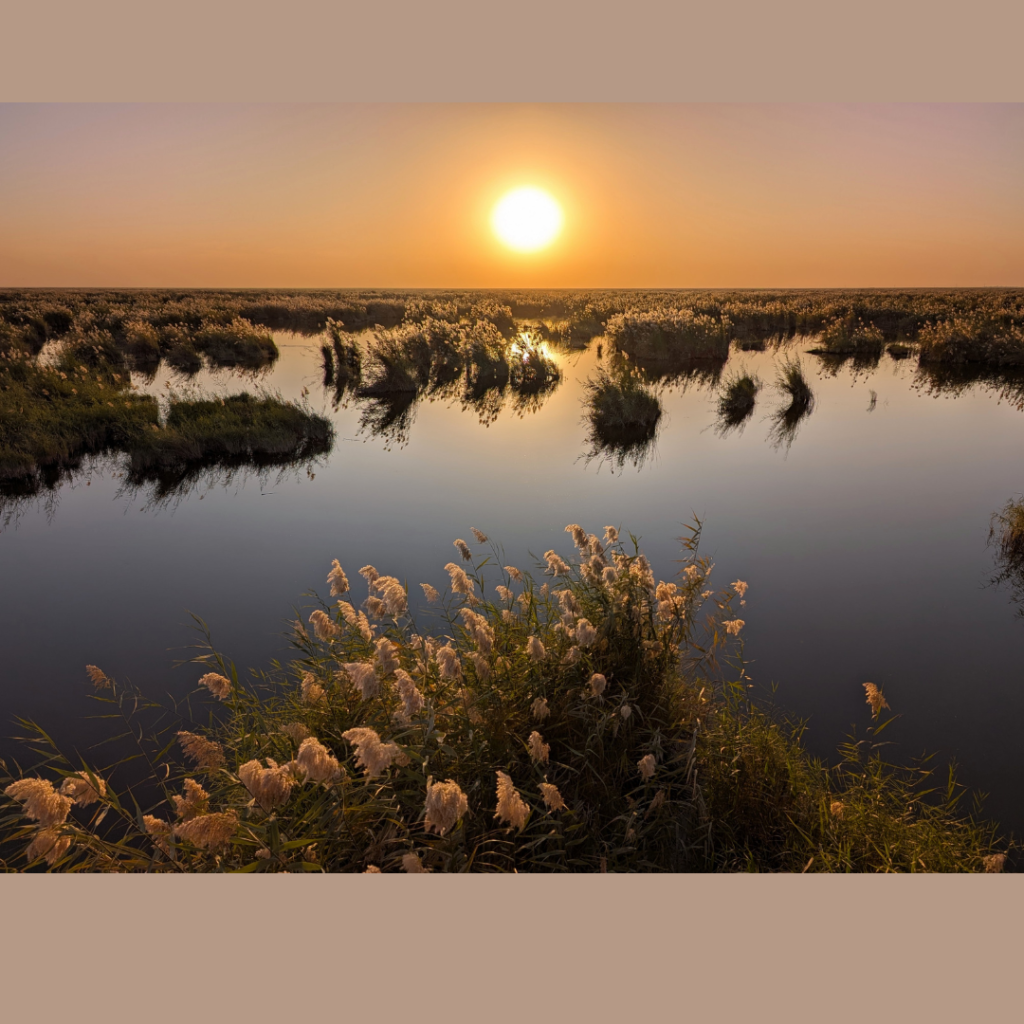
However, the history of the marshes is a story of constant change and adaptation. The marshes have had their water supply reduced, managed and diverted many times; from the 4th Millennium BCE, when the marshes were neighbour to the world’s earliest cities, up until the draining of the marshes by the Ba’athist government in the 1980s and 90s. For over five thousand years, marsh communities have found ways to adapt and endure in the face of environmental crisis.
This project will study the changing relationship between settlement and environment in the Western Hammar Marsh in deep-time perspective to analyse how past and more recent communities have persisted through dramatic environmental changes. Employing archaeology, geology, hydrology and ethnography, a multidisciplinary approach will be used to build heritage-based narratives aimed at informing policy makers. Heritage- and ecologically-based economic strategies will be presented, intended to off-set and provide alternatives to unsustainable and extractive farming and industry.
Project Team
Dr Mary Shepperson, University of Liverpool