Rights in Climate and Heritage (RICH) Network
The Rights in Climate and Heritage (RICH) Network brings together universities, civil society organisations, and international bodies from eight countries — Brazil, Madagascar, Pakistan, Peru, Ukraine, France, Belgium, and Spain — to explore how culture can strengthen community resilience, wellbeing, and climate governance — particularly for those most vulnerable to climate-related loss and damage.
Led by People’s Palace Projects at Queen Mary University of London, the Network builds on a milestone at COP30, where protecting cultural heritage was formally recognised as part of the global response to climate change. RICH takes this a step further, asking how the rights of communities to their own cultures, practices, and heritage can be placed at the heart of climate action — and how ignoring them undermines any meaningful response to the crisis.
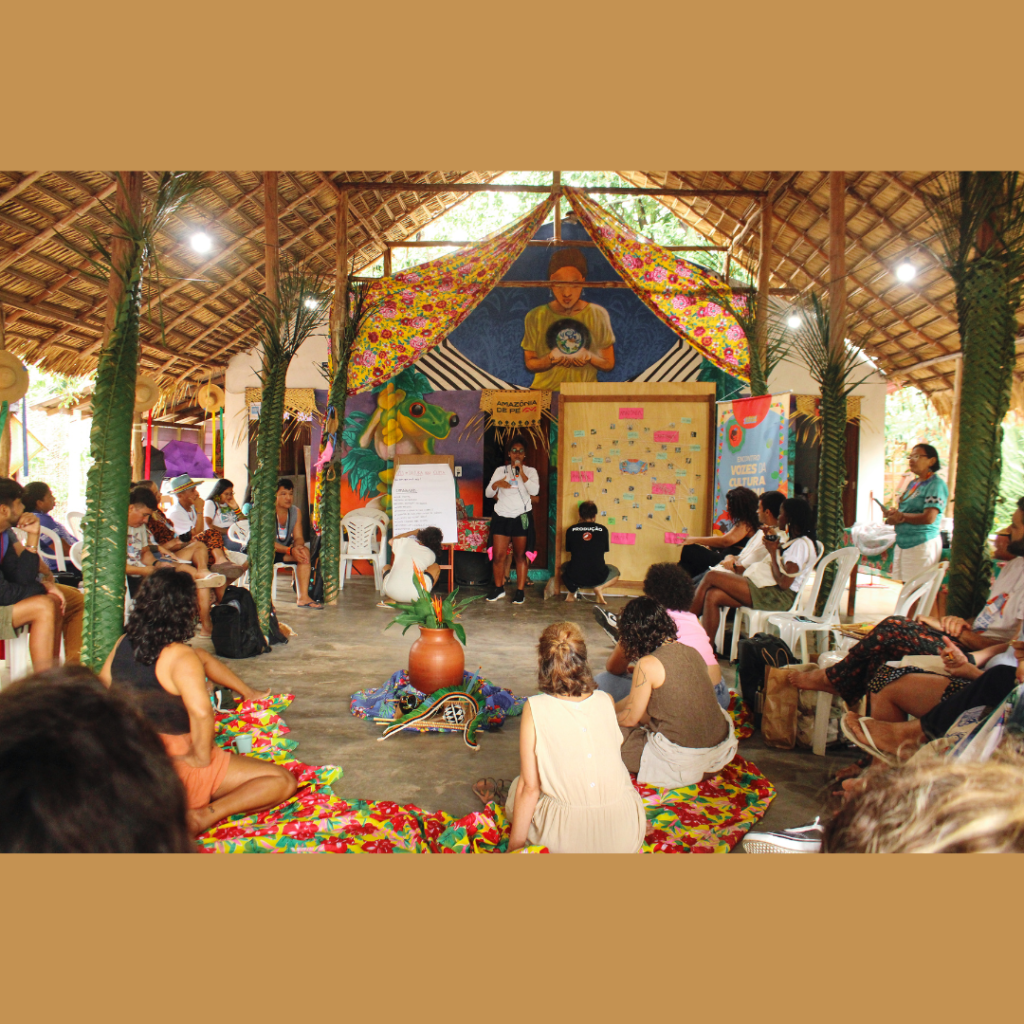
The project works across three themes: community resilience and wellbeing; responses to the loss of cultural heritage; and how local and national governments can better protect culture as part of their climate policies.
It runs in two stages. The first produces a detailed review of real-world examples from partner organisations, identifying what works and why. The second brings partners together to co-produce a practical Roadmap — a set of concrete recommendations for policymakers on how to put cultural rights into climate action, from local communities to international agreements.
The RICH Network’s starting point is that culture — identity, memory, ancestry, and ways of life — is inseparable from how communities experience and respond to climate change. Placing cultural rights at the centre of climate action is therefore not incidental, but essential to achieving climate justice.
Project Team
Professor Paul Heritage, Queen Mary, University of London