Aadaa: Integrating Policies on Pastoralist Cultural Heritage and Climate Change in Northern Kenya and Southern Ethiopia
Access to clean water is regarded as a universal human right and ensuring this is one of the United Nations’ Sustainable Development Goals (SDG 6). The Aadaa project is currently exploring how the delivery of such services, through the provision of mechanized boreholes in northern Kenya and southern Ethiopia, is raising new challenges that have the potential to impact negatively on the wellbeing and sense of belonging among the pastoralist Borana, Gabra and Rendille communities have occupied these landscapes for over five hundred years.
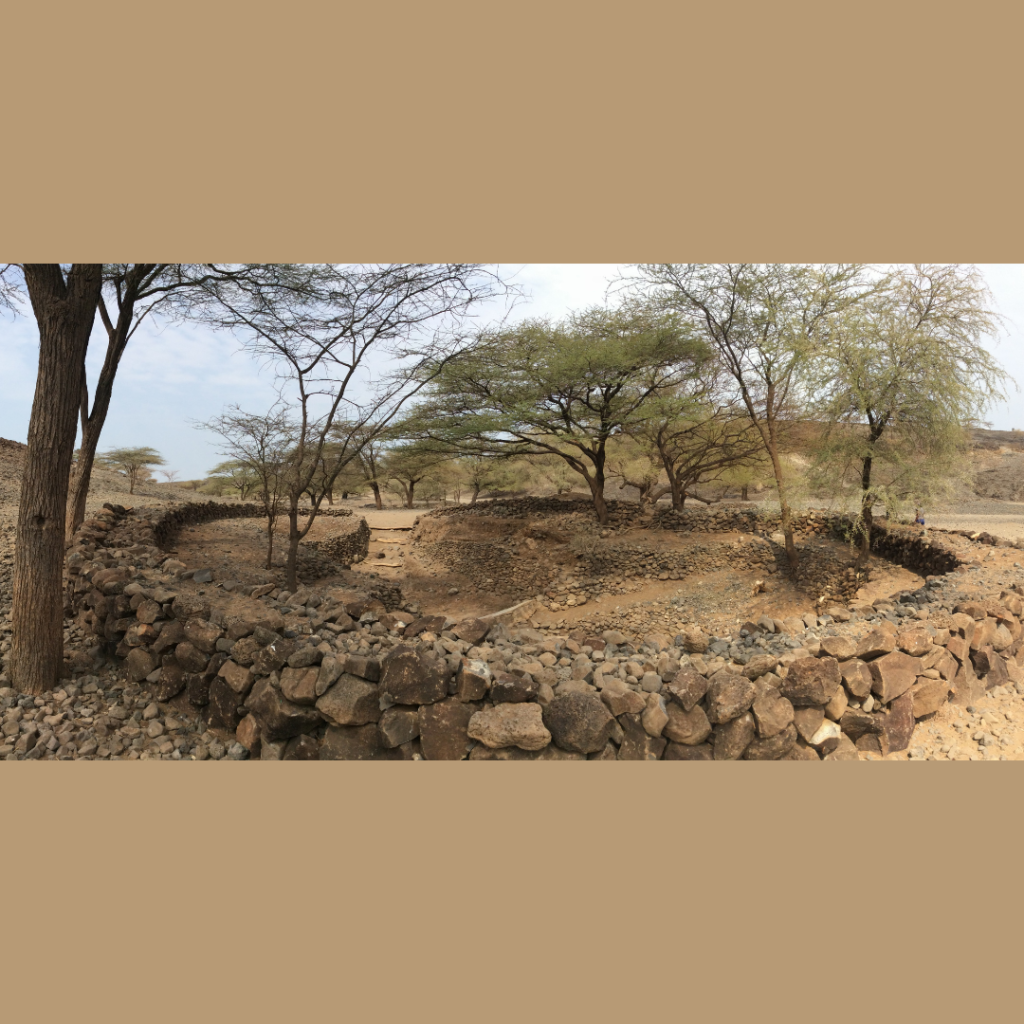
Involving collaboration between British, Kenyan, Ethiopian and Italian researchers and partners, the project has already documented how and when these mobile and semi-mobile pastoralists developed sophisticated strategies for accessing water and distributing it equitably, with a particular focus on the various networks of hand-dug wells. Our research has also shown that the installation by external actors of deeper boreholes subject to different forms of management and imported technologies has led to a growing disconnect between communities, especially the youth, from their water heritage. Through this example, the project aims to find mechanisms for the better integration of the protection, utilization and celebration of cultural heritage assets into local, national and international development policies aimed at delivering on the UN’s SDG targets. We are approaching this through a combination of training workshops targeting development specialists, the production of animated videos and teaching materials on the value of embedding heritage considerations into sustainable development interventions, and producing a short film on the tangible and intangible heritage of our study regions.
Project Team
Paul Lane
Freda Nkirote M’Mbogori
Marina Gallinaro
University of Cambridge