Towards enhanced local community protection of pre-Hispanic cultural heritage assets in the Peruvian Andes in the face of climate change
Our network serves as a platform to consolidate Traditional Ecological Knowledge, co-develop policy approaches, and implement sustainable strategies for protecting water management cultural heritage assets in the context of climate change. We are advancing this agenda by working collaboratively with Indigenous and local communities, practitioners, and researchers to ensure ancestral expertise remains central to heritage protection. Alongside this, we are mapping and analysing legislative and policy frameworks in dialogue with national and regional authorities, co-developing participatory approaches and policy recommendations, strengthening knowledge exchange and capacity-building, and fostering long-term stewardship of these assets.
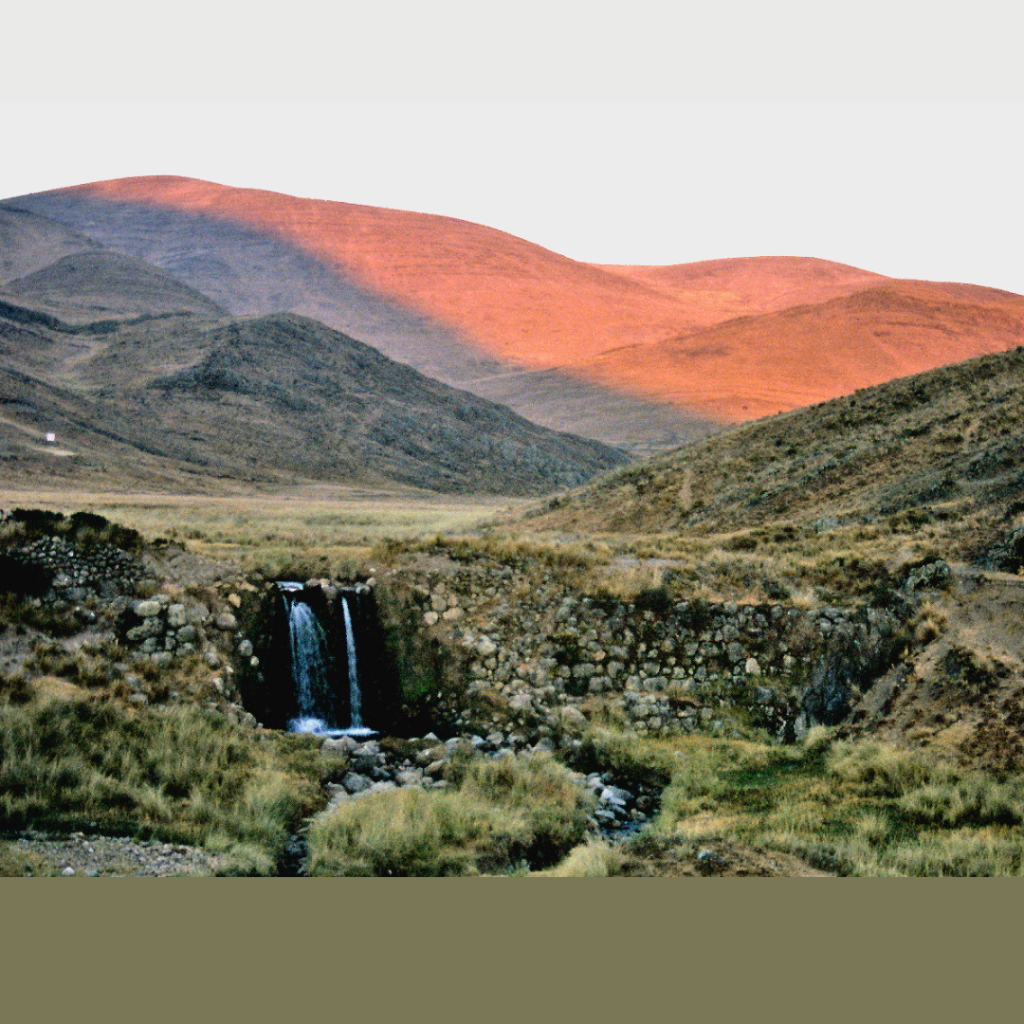
A key milestone so far has been the delivery of a two-day international workshop at the University of Reading—Water Heritage Action Today Thinktank (WHATT). This event convened a diverse group of organisations and stakeholders to position water heritage within global climate agendas. Discussions focused on identifying priority policy targets, developing a shared advocacy narrative linking heritage and water security, establishing common research priorities, and defining key capacity-building actions. Participants included representatives from the Ministry of Culture (Peru), DCMS (UK), Cultural Emergency Response (Netherlands), ICOMOS Water and Heritage (USA), the Gerda Henkel Foundation (Germany), the World Monuments Fund (USA, Peru, and UK), Universidad de Buenos Aires (Argentina), Universidad de los Andes (Colombia), Universidad de Huamanga (Peru), UCOOPIA (Belgium and Peru), and European project partners based in France, Italy, and Spain. In response to the challenges of climate change, the network has agreed on three initial collaborative actions: (1) the development of a compendium of global best-practice case studies on water heritage protection and rehabilitation (led by the University of Reading); (2) the creation of an international forum to advocate for interdisciplinary approaches to water heritage protection (led by ICOMOS); and (3) the establishment of an annual global thinktank to advance dialogue and coordination on water heritage protection and rehabilitation (led by the University of Reading).
Project Team
Professor Nicholas Branch, University of Reading